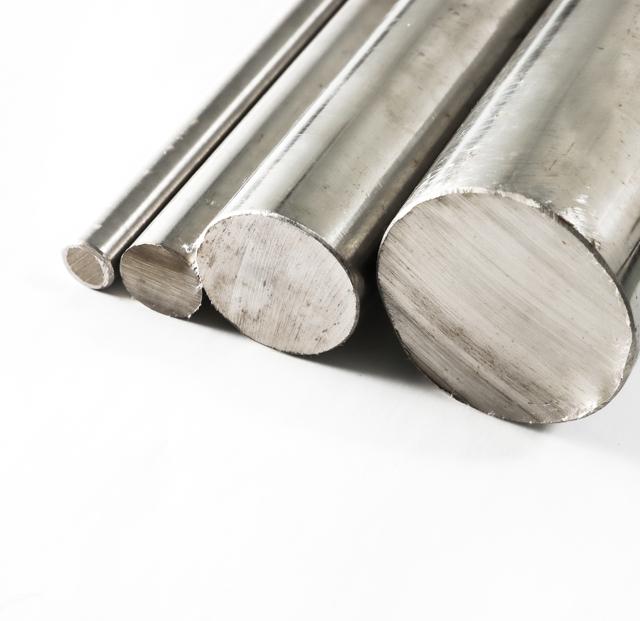
Place of Origin : Chang Zhou,China
Delivery Terms : 12-15 Days
Payment Terms : Https://www.dlx-alloys.com/gh4163-alloy-bar-rotor-blades.html
High-temperature alloy refers to a type of metal material based on iron, nickel and cobalt, which can work for a long time at high temperatures above 600? and under certain stress; and has high high-temperature strength, good oxidation resistance and corrosion resistance, good fatigue performance, fracture toughness and other comprehensive properties. High-temperature alloy is a single austenite structure, with good organizational stability and reliability at various temperatures.
1. Melting
The Process Begins With The Melting Of High-purity Raw Materials In An Electric Arc Furnace Or Induction Furnace. The Molten Metal Is Then Refined To Remove Impurities And Achieve The Desired Chemical Composition.
2. Casting
After Refining, The Alloy Is Cast Into Ingots. These Ingots Are Typically Subjected To A Homogenization Heat Treatment To Eliminate Segregation And Enhance Uniformity.
3. Forging
The Ingots Are Then Hot-forged At Temperatures Above 1100°C To Achieve The Desired Shape And Grain Structure. This Step Is Crucial As It Refines The Microstructure And Improves The Mechanical Properties Of The Alloy.
4. Hot Rolling
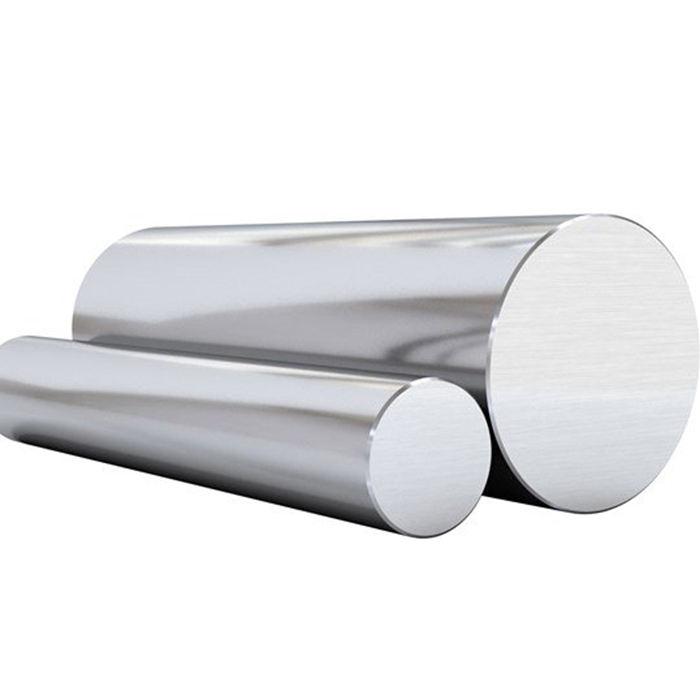
Following Forging, The Material Undergoes Hot Rolling To Reduce The Thickness And Achieve The Final Dimensions Of The Bars. This Process Also Enhances The Directional Properties Of The Alloy.
5. Annealing
To Relieve Internal Stresses And Improve Ductility, The Rolled Bars Are Annealed At Temperatures Around 900-950°C. This Step Ensures The Material Is Ready For Final Machining And Use.
6. Finishing
The Final Step Involves Cutting The Bars To The Required Lengths And Applying Any Necessary Surface Treatments. This May Include Grinding, Polishing, Or Coating To Protect Against Environmental Factors